Lone working is frequently invisible because it is occasional rather than constant. A role that is usually team-based can still involve lone working some of the time. Here are ten examples drawn from the HSA's own list and common Irish practice.
- Security officers on patrol or keyholder response.
- Maintenance and repair staff working in plant rooms or remote parts of a site.
- Delivery drivers once they step out of the cab.
- Field engineers attending remote site visits.
- Home helps and social workers visiting people in their own homes.
- Cleaners working after hours in empty buildings.
- Estate agents and local authority staff conducting property inspections.
- Healthcare community workers travelling between addresses.
- Opening and closing retail staff before or after trading hours.
- Technicians on out-of-hours callouts.
The pattern
The common thread is simple: these workers can be without close or direct supervision at the moment something goes wrong. That is the test, not the job title.
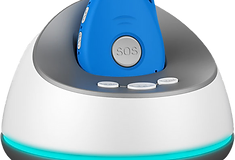
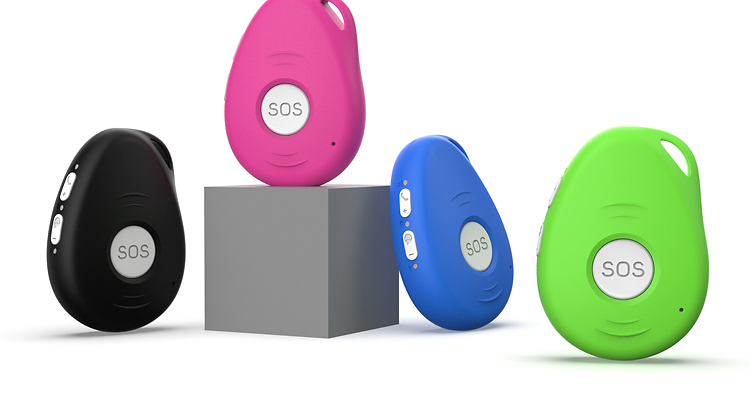
If any of these roles exist in your organisation, they deserve to be identified and assessed. Learn more about MayDay, Revolution IoT's wearable lone worker alarm.