A lone worker is anyone who works by themselves without close or direct supervision. The Irish Health and Safety Authority (HSA) is clear on this point, and it lists a surprisingly broad set of examples: security personnel, maintenance and repair staff, drivers, engineers, home helps, social workers and others.
The important word is "others". Lone working is not limited to people in remote locations. An employee visiting a customer alone, a cleaner working after hours, or a manager opening up a premises in the morning can all be lone workers.
Why the definition matters
If someone is a lone worker, the risks they face are different. Help may not be immediately at hand. A fall, sudden illness or confrontation becomes more serious when no colleague is nearby. Employers have a duty to identify these situations and manage them.
The employer's duty
Under Section 19 of the Safety, Health and Welfare at Work Act 2005, employers must undertake risk assessments that determine whether employees can work alone safely. That means lone working should be identified, assessed and managed — not simply allowed to happen.
See our Lone Worker Safety Ireland guide for the HSA definition and employer duties.
A practical starting point
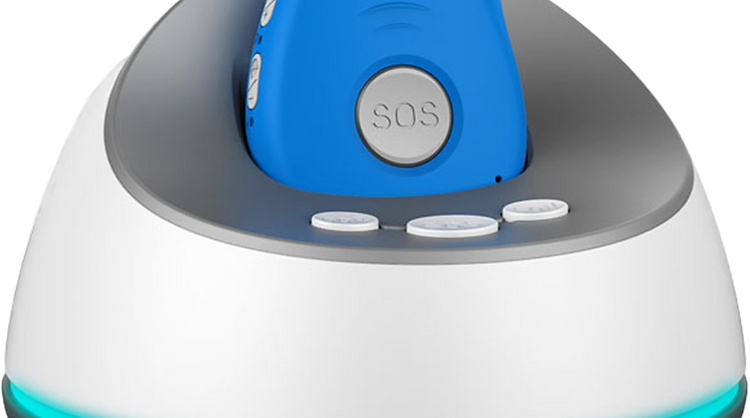
Recognising lone working in your organisation is the first step. The second is putting arrangements in place so a lone worker can raise an alarm and get help. Learn more about MayDay, Revolution IoT's wearable lone worker alarm.