Section 19 of the Safety, Health and Welfare at Work Act 2005 requires employers to undertake risk assessments. For lone working, that means assessing whether an employee can safely work alone in a given situation — not lone working in the abstract.
Assess the situation, not the job title
Two drivers can face very different risks. One works a busy daytime route with regular depot contact; the other makes rural deliveries after dark. The risk assessment must reflect the actual situation, including location, time, task and the people involved.
What to consider
- The environment — Is it remote, public, or accessed after hours?
- The task — Does it involve machinery, height, or confrontation risk?
- Communication — Can the worker raise an alarm and get help?
- The worker — Is the person trained and medically fit for lone work?
- Duration — How long are they alone, and how often?
Communication is central
A risk assessment that identifies lone working but provides no reliable way for the worker to summon help is incomplete. The whole point is that assistance may not be nearby — so the means to call for it has to be deliberate.
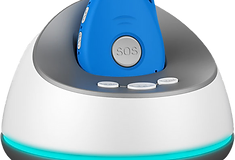
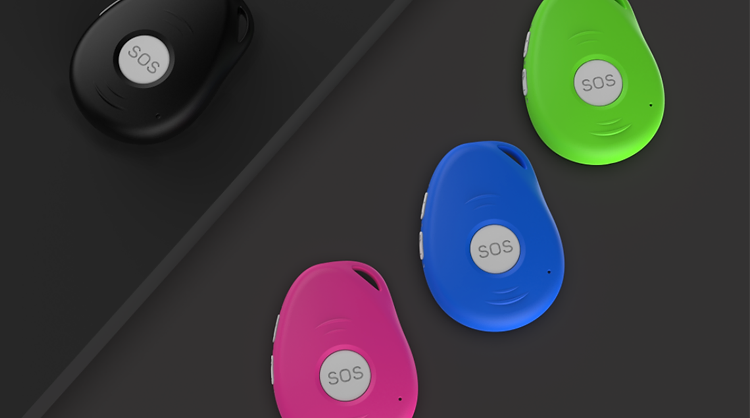
Learn more about MayDay, Revolution IoT's wearable lone worker alarm.
See our Lone Worker Safety Ireland guide for the HSA definition and employer duties.