It is a fair question: why buy a dedicated device when every employee already carries a smartphone? The answer is about what happens in the seconds that matter.
The steps a phone demands
In an emergency, a phone asks the user to retrieve it, unlock it, find the right app, open it, navigate to the alert function, and trigger it. Each step is a delay, and each step assumes the user is able to perform it — which, in a genuine emergency, they may not be.
What a dedicated alarm does differently
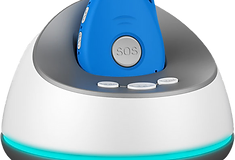
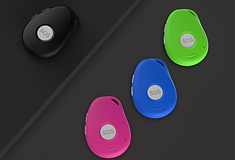
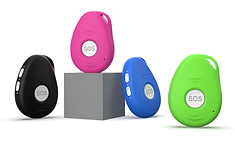
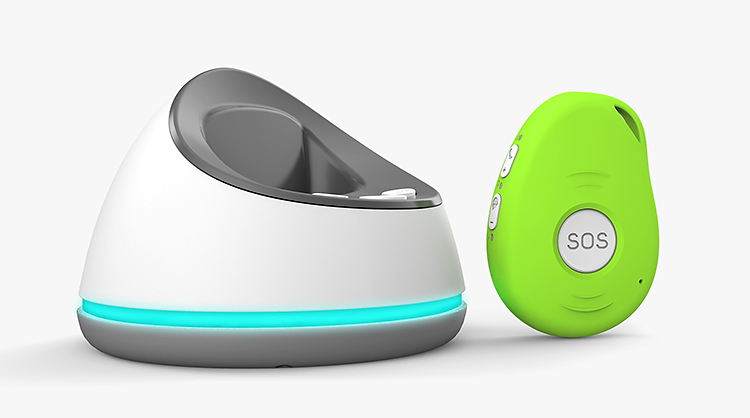
A lone worker alarm like MayDay is built around a single dedicated SOS button. There is no menu, no app, no unlock. The path from incident to alarm is one press.
Complement, not replace
A dedicated alarm does not replace a phone. Phones remain essential for ordinary communications, navigation and coordination. The point is that an emergency alarm should not be buried inside a general-purpose device.
MayDay is designed to complement an organisation's wider communications and safety procedures — a dedicated layer for the moment everything else is too slow.