Field engineers and technicians are archetypal lone workers. They attend remote sites, work around machinery and infrastructure, and frequently operate outside standard hours. An accident or sudden illness can leave them needing help with no one immediately nearby.
Match the protection to the reality
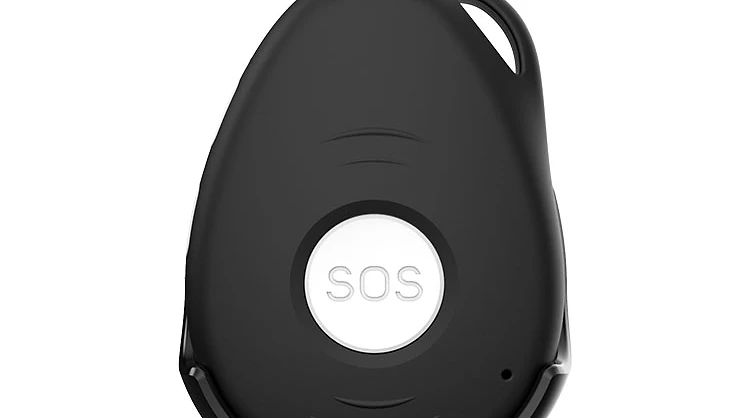
A safety device left in a van helps no one on site. Protection has to travel with the engineer — on the person, not in the vehicle. A wearable format with a belt clip keeps a dedicated SOS button within reach while the engineer is at the point of work.
Build it into the routine
Safety technology only works if people use it. That means:
- Issuing devices as part of standard kit, not as an afterthought.
- Providing a defined charging location so devices are shift-ready.
- Training engineers on what happens after an alarm is raised.
- Reviewing arrangements when sites or working patterns change.
Part of a wider system
A wearable alarm is one layer. It belongs within a broader lone-worker safety solution that covers how alarms are monitored and how responses are escalated. Learn more about MayDay, Revolution IoT's wearable lone worker alarm.